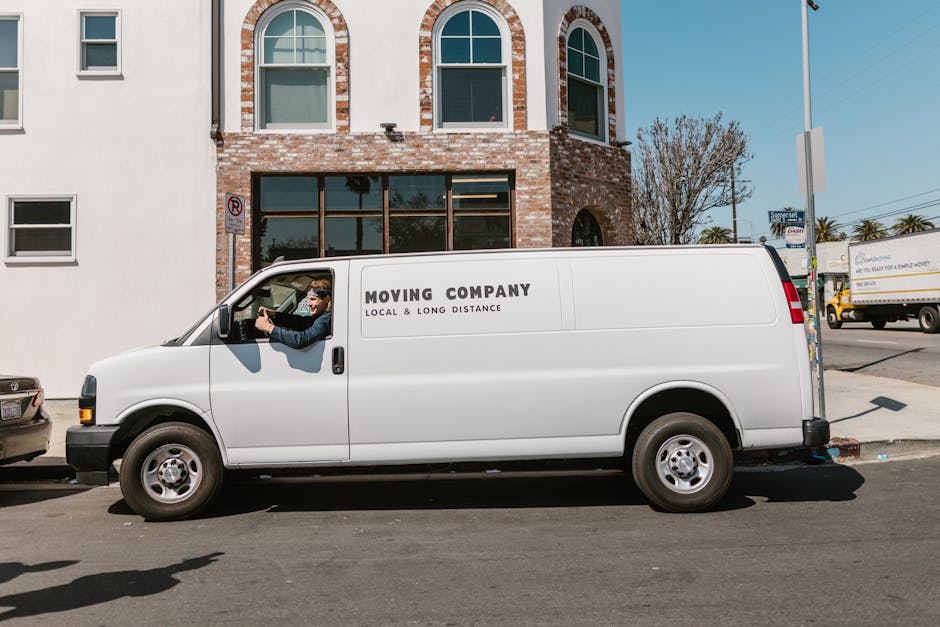
Moving With No Parking? Brentford Permit Workarounds
Posted on 18/06/2026
If you are moving in Brentford and the street outside your place has no obvious parking, you are not alone. It happens all the time: tight roads, permit-only bays, awkward loading restrictions, busy commuter traffic, and that sinking feeling when the van arrives and there is simply nowhere legal to stop. Moving With No Parking? Brentford Permit Workarounds is really about planning smarter, staying calm, and using the right loading strategy so the move still goes ahead smoothly.
This guide walks you through the practical options people use in Brentford when parking is limited or unavailable. You will see how to reduce carry distances, what to arrange before moving day, how to avoid avoidable delays, and when a removal team's experience makes the difference between a tidy handover and a chaotic scramble. To be fair, a lack of parking does not have to wreck the day. It just means the logistics need a bit more thought.
For a smoother start, it also helps to sort your belongings early. If you need a refresher on what to keep, sell, or donate, these pre-move decluttering tips are a good place to begin.
Why Moving With No Parking? Brentford Permit Workarounds Matters
Lack of parking is not just an inconvenience. It changes the whole rhythm of a move. A van that has to stop two streets away means longer carrying times, extra handling, more trips, and more chances for something to be knocked, dropped, or left behind. In busy parts of Brentford, especially around narrower residential roads, flats, and mixed-use streets, this can quickly turn a straightforward move into a slow, tiring one.
Parking pressure also affects timing. If the van is circling for space, the schedule gets squeezed. If there is a permit-only bay and the wrong vehicle is parked there, loading may need to happen further away than planned. And if the building has a tight entrance or shared access, the margin for error gets smaller still.
That is why permit workarounds matter. Not because they are clever tricks, but because they help you build a realistic plan. The best workaround is usually a mix of preparation, communication, and knowing which compromises are worth making. Sometimes the answer is not "find parking right outside." Sometimes it is "make the carry route short, safe, and predictable."
Expert summary: In a no-parking move, the goal is not to beat the street system. The goal is to reduce walking distance, keep lifting efficient, and avoid last-minute chaos.
For example, if your move involves bulky furniture, the parking issue becomes even more important. A sofa carried three extra flights of stairs because the van could not load close enough is a different job from a light box move. If that sounds familiar, furniture removals in Brentford are often where planning and access strategy matter most.
How Moving With No Parking? Brentford Permit Workarounds Works
At a practical level, this kind of move works by shortening the distance between the property and the vehicle, or by choosing a loading method that avoids the need for direct roadside parking altogether. That may sound simple, but the details matter. A good workaround depends on the street, the property type, the time of day, and how much needs to be moved.
Here are the most common approaches:
- Short-stay loading strategy: The van stops briefly in the nearest safe loading position while items are moved quickly and in a controlled sequence.
- Resident or visitor bay planning: If available, a bay may be used with advance preparation and time discipline.
- Timed arrival: The van arrives at a quieter period when parking turnover is better and obstruction is lower.
- Carry-route planning: Items are staged inside the property so each trip is efficient rather than random.
- Pre-move loading from outside the immediate street: In some cases the van parks legally a little further away, and the team uses trolleys or carry frames to bridge the gap.
The important thing is that the workaround should be legal, safe, and realistic. A plan that saves five minutes but creates stress, double-handling, or a parking penalty is not really a win. Let's face it, nobody wants the moving day soundtrack of beeping horns and someone muttering about yellow lines.
Good movers also think about the contents, not just the curb space. If your move includes awkward items, careful packing makes parking problems less painful because fewer items need rehandling. You can see the logic in packing perfection for a successful move and in practical advice on packing materials and boxes in Brentford.
Key Benefits and Practical Advantages
The obvious benefit is convenience. But the real value of a no-parking workaround is bigger than that. It can protect your belongings, reduce fatigue, and keep the move on schedule even when the street is not especially cooperative.
- Less carrying time: A shorter route means faster loading and unloading.
- Lower risk of damage: Fewer turns, less dragging, and less time balancing items on pavements or steps.
- Better crew efficiency: Teams can work in a sequence instead of wasting energy moving items back and forth.
- Less stress for you: You are not left making parking decisions while also dealing with keys, boxes, and cleaners.
- More predictable timing: A planned workaround gives the day structure.
There is also a nice knock-on effect: better coordination often means fewer hidden surprises. If you are comparing different moving setups, it is worth understanding how quote structures can change when access is tricky. This guide to avoiding hidden fees in Brentford removal quotes is useful reading for that reason.
And if you are moving in a flat, there is often an extra layer of access complexity. Shared entrances, lifts that are a bit too small, and corridor bottlenecks can all matter. That is where flat removals in Brentford become especially relevant because the route from van to front door matters as much as the van itself.
Who This Is For and When It Makes Sense
This approach makes sense for more people than you might expect. In fact, it is often the default solution in built-up parts of Brentford rather than some rare exception.
People who benefit most
- Tenants moving from flats with limited street parking
- Homeowners on roads with permit-only bays or controlled loading
- Students shifting between shared accommodation and storage
- Office teams moving desks, chairs, and equipment without dedicated loading space
- Anyone moving on a tight deadline, including same-day relocations
If you are doing a smaller move, a flexible vehicle and fast loading plan may be enough. For larger homes, the lack of parking simply means the move has to be managed more carefully. A bigger furniture load can still be handled well, but the team needs to know exactly what they are walking into. That is one reason man with a van in Brentford services are often chosen for compact, access-sensitive jobs, while more substantial relocations may lean toward house removals in Brentford.
It also makes sense when your move includes items that are awkward to carry or need extra care. Beds, mattresses, sofas, and pianos all add complexity. If your move has a heavy item or two, it is smart to factor that in early rather than discovering the problem at the kerb at 8:15 in the morning.
Step-by-Step Guidance
Here is the most practical way to deal with a move when parking is a problem. Keep it simple, but do not leave it vague. Vagueness is where moving-day stress sneaks in.
- Assess the street early. Stand outside your property at the time of day you expect to move. See how busy it feels, where vehicles stop, and whether there is space for a short loading window.
- Measure the carry route. Count steps, corners, gates, and door widths. Sometimes a short walk is actually a long, awkward carry.
- Identify a legal fallback point. If the closest bay is unavailable, know the next best legal stopping place. No guessing on the day.
- Reduce what needs moving. Sell, donate, recycle, or store anything you do not genuinely need. That removes pressure from the route.
- Pack by loading priority. Put the items needed first at the front, and keep fragile items clearly marked.
- Stage items inside the property. Group boxes and furniture so the crew can move in a steady chain rather than hunting through rooms.
- Keep access clear. Hallways, entrances, and stairwells should be free from clutter, wet shoes, coats, and random bits that cause delays.
- Confirm timing on the day. A quick call or message can save confusion if traffic or parking conditions change.
- Use the shortest safe lift path. If the van is not directly outside, move items in the most efficient sequence and avoid unnecessary double handling.
- Review the day once done. Check for missed items, wall scuffs, and anything that needs a follow-up before you relax.
If you are handling specialist items, build those into the plan as separate jobs. A piano, for example, should never just be "slotted in somewhere" around the parking problem. It needs its own route, its own handling plan, and the right experience. For that kind of work, piano removals in Brentford are worth considering.
Expert Tips for Better Results
There are a few small habits that make a big difference. None are dramatic. They are just the sort of things experienced movers do almost automatically.
- Book for a quieter window: Early morning or a less congested period can make a surprising difference to loading access.
- Label clearly: If the first load has to be done quickly, clear labels save time and prevent mistakes.
- Keep bulky items near the exit: Do not leave a sofa or wardrobe deep inside the property while the van is waiting outside. That is how time slips away.
- Use protective wrapping well: When the carry route is longer, corners and door frames become the weak point.
- Have a backup bay or stop point: A Plan B should be real, not imaginary.
- Watch the weather: A damp pavement, drizzle, or slick step changes the risk profile more than people expect.
One thing people often overlook is rest. A move with no parking can be physically more draining because of the extra walking. Short pauses matter. A minute to reset a grip or check the route is not wasted time. It is how you avoid the small sloppy mistakes that lead to big grumbles later.
If you are lifting heavier furniture without help, or even just preparing items for the crew, it is worth revisiting safe handling basics. This heavy-lifting guide and the benefits of kinetic lifting both reinforce the same idea: movement should be controlled, not rushed.
And if the job includes a sofa, give that item a bit of respect. Sofas are deceptively awkward. They look simple until you turn them sideways in a hallway and suddenly the whole plan seems to have a personality of its own.
Common Mistakes to Avoid
Most problems in a no-parking move come from one of a handful of avoidable mistakes. None are exotic. They are usually ordinary things done a bit too late or not clearly enough.
- Assuming parking will "sort itself out": It usually does not. Someone always needs a plan.
- Ignoring loading restrictions: A bay is not always a loading bay, and stopping where it feels convenient can create trouble.
- Underestimating the carry distance: The visible gap between van and door often grows once you add stairs, gates, or awkward corners.
- Packing without sequence: If you have to search for essentials while the van is waiting, the move slows down.
- Leaving bulky items until last: That usually means they become the hardest part of the day.
- Failing to warn the team about access issues: A narrow stairwell, tight turn, or low doorway is not minor detail; it is operational information.
Another common slip is forgetting what happens after the move. If you are clearing out more than you are taking with you, disposal and recycling become part of the plan too. The cleanest moves often involve a parallel clear-out. For useful local context, this guide on bulky waste disposal in Brentford is well worth a look.
And if your move is linked to a deadline, maybe a tenancy handover or a last-minute change, do not let the access issue become the only thing you think about. Sometimes people get so focused on the parking that they forget to protect the flooring, the sofa arms, or the mattress. Simple mistake. Expensive one, too.
Tools, Resources and Recommendations
You do not need a lot of fancy equipment to handle a no-parking move well. But a small toolkit and a clear process help more than people realise.
| Tool / Resource | Why it helps | Best use |
|---|---|---|
| Dolly or sack truck | Reduces carrying strain and speeds up bulk loads | Boxes, small furniture, appliances |
| Furniture blankets | Protects items from scuffs and knocks | Sofas, tables, headboards |
| Straps and tape | Helps secure items during short transfers | Loads with mixed shapes or loose parts |
| Clear labels | Stops time being wasted opening the wrong box | Any move with multiple rooms |
| Storage option | Useful when parking delays and move dates do not line up neatly | Staged or split moves |
Storage is especially handy when the property access is awkward and the move needs to be split. That can take pressure off the van schedule and reduce the amount of stuff that has to be handled in one go. If that sounds relevant, storage in Brentford can be part of a sensible workaround rather than a last resort.
It also helps to choose a moving service that is used to problem-solving. A team that regularly handles difficult streets, flats, and short-notice jobs will usually approach the job more calmly. If you want a broader sense of how different move types are handled, the services overview is a useful reference point.
Law, Compliance, Standards, or Best Practice
When you are dealing with parking, the legal side matters. You do not need to turn the move into a legal seminar, but you do need to stay on the right side of local rules. In practical terms, that means checking whether a stop is lawful, whether a bay is restricted, whether loading is permitted, and whether the timing of the move affects what is allowed.
Best practice is simple: do not rely on assumptions. If a road is permit-controlled, loading may still be possible in limited circumstances, but that depends on the local setup and the exact place you stop. If there are signs, road markings, or time restrictions, treat them seriously. A quick shortcut is rarely worth a fine, a complaint, or a blocked road.
Safe manual handling also matters. Even if parking is awkward, you should not create a dangerous carry just to save a few steps. Keep routes clear, lift with control, and use the right equipment where needed. If the move involves heavy or awkward objects, the safest decision is often to slow the process down slightly and avoid rushed handling.
For peace of mind, it is smart to work with a team that has clear safety procedures and transparent terms. That does not remove the need for good planning, but it does reduce the risk of confusion on the day. If you want to check broader policy and support information, insurance and safety and the health and safety policy are relevant pages to review.
Options, Methods, or Comparison Table
There is no single correct workaround. The right choice depends on the street, the size of the move, and how much time you have. Here is a straightforward comparison.
| Method | Best for | Pros | Trade-offs |
|---|---|---|---|
| Close legal loading stop | Short residential moves | Fast, simple, minimal carry | May only be available for a short window |
| Pre-planned bay use | Permit-heavy streets | More structured and reliable | Needs advance checking and timing discipline |
| Longer carry from nearby legal parking | Busy streets with no immediate space | Often workable when direct access fails | More physical effort and slower loading |
| Split move with storage | Large or phased relocations | Reduces pressure on one moving day | Requires an extra step and more coordination |
| Professional same-day support | Urgent or changing situations | Flexible, responsive, less stress | Availability can be tight |
In real life, people often combine methods. A short legal stop for the first load, then a nearby backup space for the rest, is a pretty common pattern. Sometimes the simplest answer is still the best one.
Case Study or Real-World Example
Picture a one-bedroom flat near a busy Brentford street on a weekday morning. The resident has boxed up most of the contents, but there is no guaranteed parking outside the building. The street is narrow, other cars are already lined up, and the van cannot stay in the bay for long.
Rather than panic, the move is handled in stages. Light boxes and soft items are staged by the front door. The heaviest items are moved last so the team is not blocking the entrance with bulky pieces while still sorting fragile boxes. A nearby legal stopping point is used for loading, which means the van is not hunting for space while everyone waits on the pavement. The resident also keeps the hallway clear and has already separated anything going to storage or disposal.
The outcome is not dramatic. That is the point. The move feels boring in the best possible way. No shouting, no long pauses, no "where did the kettle go?" moment. Just steady progress, a few sensible adaptations, and a smoother handover than the resident expected at 7:30 that morning.
That kind of result is especially common when the move is organised like a proper project rather than a last-minute dash. If your circumstances are similar, same-day removals in Brentford can be a sensible fallback when time is tight.
Practical Checklist
Use this checklist before move day. It keeps the parking issue from snowballing.
- Check the street at the right time of day
- Confirm the nearest legal loading options
- Measure the walk from van to door
- Tell the moving team about stairs, gates, lifts, and tight corners
- Pack and label boxes by room
- Stage heavy items close to the exit
- Keep hallways and doorways clear
- Decide what is going to storage, recycling, or disposal
- Protect floors, furniture edges, and mattress surfaces
- Keep your phone handy for timing updates
- Have a backup plan if parking disappears
If you are still packing at this stage, take a breath and sort the essentials first. A calm, labelled move is far easier to manage than a beautifully packed but unreadable one. Slightly less perfect, much more useful. That's the real trick.
Conclusion
Moving with no parking in Brentford is not ideal, but it is absolutely manageable with the right workaround. The key is to think in terms of access, loading distance, timing, and safety rather than hoping for an empty bay to magically appear outside the door. Once you plan for the street as it really is, not as you wish it were, the day becomes much easier to control.
The best moves are usually the ones with sensible preparation and a calm, practical rhythm. You do not need perfection. You need a workable plan, clear communication, and enough flexibility to deal with a busy road or a tight corner without the whole thing falling apart. That is what turns a stressful day into an organised one.
Get a free quote today and see how much you can save.
And if you want the wider move to feel less overwhelming overall, this guide to a stress-free moving experience ties the bigger picture together nicely. A little planning now can spare you a lot of wandering around with a box later. Simple as that.