Boston Manor Road Removals: Narrow-Street Strategy
Posted on 06/05/2026
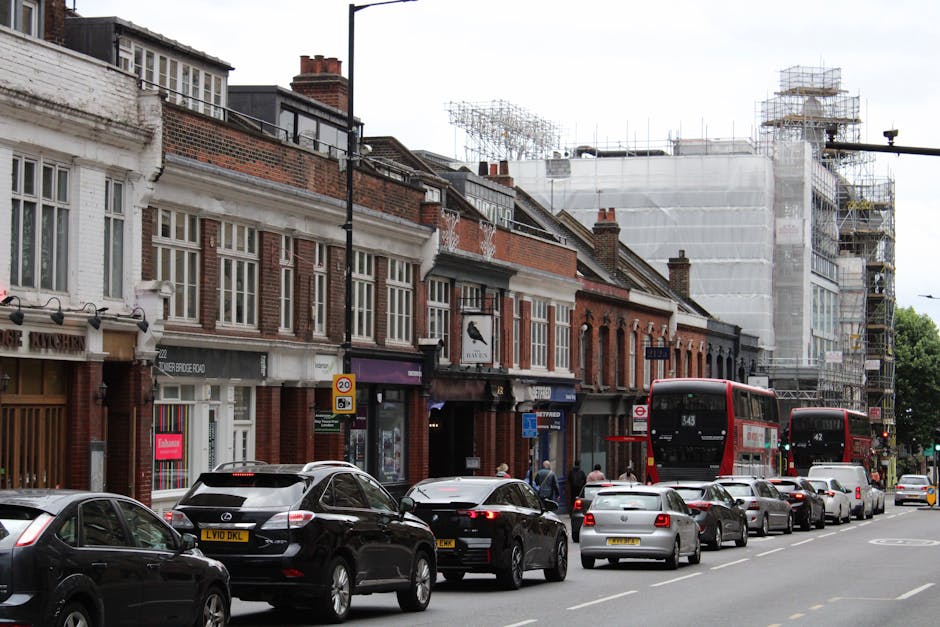
Boston Manor Road can turn a straightforward move into a bit of a puzzle. Parked cars, tighter turning space, passing traffic, awkward sightlines, and the usual "where on earth can the van stop?" question can all slow things down. That is exactly why a Boston Manor Road Removals: Narrow-Street Strategy matters. It is not just about bringing a van and hoping for the best. It is about planning access, timing, loading order, walking routes, and the right vehicle setup so the move stays calm, efficient, and safe.
If you have ever watched a sofa get stuck halfway through a hallway or seen a driver reverse slowly under pressure while someone waves from the pavement, you will know the feeling. Small roads magnify small mistakes. The good news? With the right approach, narrow-street removals can be handled neatly. This guide breaks down how it works, what to prepare, where the risks are, and how to choose the right support for a smoother day. For broader moving advice, you may also find the services overview useful, especially if you are weighing up what level of help you actually need.
Why Boston Manor Road Removals: Narrow-Street Strategy Matters
Boston Manor Road sits in the kind of London environment where access can shape the whole moving day. If the street is tight, busy, or lined with parked vehicles, even a short move can become more demanding than expected. A narrow-street strategy helps you avoid the usual pressure points: blocked access, rushed carrying, unsafe reversing, and wasted time trying to find a workable loading point.
Let's face it, a removal van is only useful if it can actually get close enough to the property. In a narrow road, the difference between a smooth move and a stressful one often comes down to a few practical details: where the vehicle can pause, how long loading will take, whether the property has stairs or a shared entrance, and whether larger items need to be disassembled first.
It also matters because narrow streets are rarely forgiving. If you misjudge access, you can end up carrying heavy furniture much farther than planned. That adds fatigue, slows the team, and increases the risk of knocks, scuffs, and strained backs. If you want a good primer on that side of things, the guide on moving heavy items more safely is worth a read, even if you are not doing the lifting yourself.
For a move near Boston Manor Road, strategy is not a luxury. It is the difference between working with the street and fighting it.
Practical summary: narrow-street removals work best when access, vehicle choice, packing order, and timing are planned together. Miss one piece, and the whole day feels harder than it should.
How Boston Manor Road Removals: Narrow-Street Strategy Works
A proper narrow-street approach starts before the van arrives. The process is built around reducing friction at every step, from the first box lifted to the final item set down. In most cases, the strategy follows a simple pattern: assess the street, choose the right vehicle, prepare the load, and move in a controlled sequence.
1. Access is checked before moving day
The first question is not "how many boxes do you have?" It is "how will the van access the property?" That means checking whether the road has tight bends, low branches, parked cars, restricted stopping areas, or one-way flow that affects approach. On some streets, a smaller vehicle or a carefully planned arrival window is far more effective than a larger van that technically fits but makes turning awkward.
2. The load plan is built around the street, not just the items
In a narrow-street move, what goes in the van first can matter just as much as what is being moved. Bulky items are usually loaded in a way that keeps the space efficient and avoids repeated shuffling. If there is a long carry from the front door to the van, it helps to group items by weight and fragility so nobody is walking back and forth with mismatched loads. The packing guide on packing for a successful move offers a useful mindset here: organised packing saves time, and time is exactly what narrow streets tend to eat up.
3. Vehicle position is chosen carefully
Sometimes the best parking spot is not directly outside the front door. It may be a short walk away if that is the safest, least disruptive option. The idea is to create a clean handover point where loading can happen without obstructing traffic or creating unnecessary risk. A good driver thinks in angles, distances, and escape routes. A better one keeps things simple. No drama.
4. The team works in a controlled sequence
Rather than rushing everything at once, the move is broken into manageable stages. Fragile pieces are set aside. Beds and large furniture are handled with the right dismantling plan. Smaller items are packed so they can be carried efficiently. If a sofa, wardrobe, or mattress needs extra care, it is prepared accordingly; the article on protecting sofas during a move and the guide to moving a bed and mattress safely both fit this kind of planning well.
5. The route is protected at both ends
It is not just about the street outside. Hallways, stairwells, and entrance areas need protection too. In a narrow property, one clumsy turn can chip a wall or dent a bannister. So the right strategy includes floor protection, corner awareness, and sensible carrying paths inside the property. If you want the house left clean and ready, a light read on pre-move cleaning routines can also help.
Put simply, the whole method is about removing friction before it becomes a problem. That sounds obvious. In practice, it is where many rushed moves fall apart.
Key Benefits and Practical Advantages
Narrow-street planning brings more than convenience. It changes the quality of the move. A move that feels controlled usually ends up being safer, quicker, and cheaper in the long run because fewer things go wrong.
- Less carrying distance: when the van is positioned well, fewer items need to be walked down the street.
- Lower damage risk: fewer awkward turns, fewer hurried lifts, fewer knocks against doors and cars.
- Better timing: a well-planned move avoids the "where can we park?" delay that chews through the morning.
- Reduced stress: if people know the plan, there is less confusion and less last-minute scrambling.
- Cleaner traffic flow: the street remains more manageable for neighbours, other drivers, and pedestrians.
- More accurate quoting: experienced teams can judge labour, vehicle size, and timing more realistically.
There is also a human benefit that people underestimate. When the move feels orderly, everyone behaves better. The driver is calmer, the movers are steadier, and the customer is not stuck wondering whether the next hour will descend into chaos. That may sound a bit dramatic, but anyone who has done a London move on a tight street knows the difference.
If your move involves awkward furniture or a one-off item, a specialist service can help. For example, furniture removals in Brentford are often the right fit when the challenge is not just volume, but shape and access.
Who This Is For and When It Makes Sense
This strategy is useful for anyone moving on or near a narrow London road, but it is especially relevant in a few common situations. If any of these sound familiar, a narrow-street approach probably makes sense for you.
- Flat moves: apartments often mean tighter entrances, stairs, and shared access points. See also flat removals in Brentford.
- House moves on residential streets: parked cars and limited stopping space can complicate larger domestic moves. The house removals service is relevant here.
- Student moves: fewer items perhaps, but often last-minute, and sometimes with odd access windows. That is where student removals can be surprisingly handy.
- Same-day or urgent moves: short notice means less margin for error. If timing is tight, see same-day removals in Brentford.
- Office or business relocations: commercial moves often involve equipment, files, and a hard deadline. A look at office removals may help.
- Anyone with bulky or delicate items: pianos, wardrobes, mattresses, or antique pieces need extra planning. For particularly sensitive items, see piano removals in Brentford.
Truth be told, if you are unsure whether your street will be easy enough for a standard van, that is already a sign to plan more carefully. Narrow streets have a habit of turning "should be fine" into "wish we had checked that earlier."
Step-by-Step Guidance
Here is a practical way to plan a Boston Manor Road move when access is tight. This is the part that saves headaches later.
- Walk the route mentally before moving day. Think from the van to the front door and back again. Are there steps? Kerbs? Shared gates? A blind corner?
- Measure large furniture. Wardrobes, sofas, beds, and appliances should be checked against door widths, stair turns, and lift access where relevant.
- Decide what must be dismantled. A bed frame or table that can be taken apart may be far easier to move than one awkward solid piece.
- Pack by carry order. Put first-needed items and easy-handling boxes where they can be reached quickly. Don't bury the kettle under six layers of random stuff. Everyone's been there.
- Choose the vehicle size wisely. Bigger is not always better in a narrow street. A smaller van may allow easier positioning and quicker loading.
- Prepare protection materials. Blankets, straps, corner guards, trolley boards, and floor protection all help reduce friction and damage risk.
- Set a realistic arrival window. London traffic and parking conditions rarely behave perfectly, so allow breathing room.
- Confirm what will happen if access changes. If the planned loading point becomes unavailable, know the backup option before the team arrives.
If your move feels like a lot to organise, it can help to treat it like three jobs rather than one: preparing the home, planning the carry, and organising the van. That simpler framing tends to make the whole thing feel more manageable. A useful related read here is how to make a move feel less stressful overall.
Expert Tips for Better Results
Small decisions make a big difference on narrow streets. These are the kinds of things that often separate a decent move from a really smooth one.
Use the street like a working space
Think of the road as part of the job site. That means keeping a clear path, communicating before each lift, and avoiding clutter around the entrance. Even two extra minutes spent setting the scene can save ten minutes of faffing later.
Pre-sort by weight and fragility
Heavy items should not be mixed with light, crushable ones in a way that creates awkward stacking. Likewise, fragile boxes should be easy to spot, not hidden under random essentials. A consistent packing system helps everyone move faster with fewer pauses.
Keep the first load simple
The first van load often sets the tone. If the first wave is easy to carry and clearly labelled, the rest of the day feels lighter. If the first load is chaotic, people spend the morning unpicking confusion. That is just how it goes.
Protect the corners before you need them
In narrow hallways and tight turns, corners take the abuse. Put protection in place early, not after the first scrape. It is a basic habit, but a good one.
Do not ignore the weather
Rain, wind, and winter darkness all make narrow-street moves more fiddly. Wet pavements, slippery floors, and poor visibility can slow everything down. A slightly earlier start, better footwear, and more care at thresholds can make a real difference.
Ask about specialist handling early
If you have a piano, a heavy cabinet, or a family item with sentimental value, say so early. This gives the team time to plan the right equipment and route. It is much easier to prepare properly than to improvise halfway through a staircase.
And a small but important point: if something feels unsafe, stop and reassess. Not every problem should be solved with more effort. Sometimes the right move is to pause, adjust the plan, and continue carefully.

Common Mistakes to Avoid
Most narrow-street moving problems are predictable. That is the annoying part. The upside is that they are also avoidable.
- Assuming the van can stop anywhere: not every road has workable loading space.
- Leaving bulky items until the last minute: large furniture should be planned before the day, not as a surprise.
- Overpacking boxes: heavy boxes are hard to carry, and on a tight street that extra strain really matters.
- Ignoring shared access: flats, communal halls, and neighbour parking can all create bottlenecks.
- Forgetting to protect interiors: one bad turn can damage paintwork, banisters, or flooring.
- Choosing the wrong van size: oversized vehicles can be awkward to manoeuvre and may increase loading delays.
- Not having a fallback plan: if access changes, you need an alternative route or vehicle position.
There is also a quieter mistake: trying to squeeze too much into a single trip when the street cannot comfortably support it. On paper it sounds efficient. In reality, it can slow everything down because the loading rhythm becomes strained. Better to move in a way the road can handle.
Tools, Resources and Recommendations
A strong narrow-street move usually depends on a modest set of practical tools rather than anything fancy. The details matter more than the kit, but the right tools make everything easier.
| Tool or Resource | Why It Helps | Best Use |
|---|---|---|
| Furniture blankets | Reduce scuffs and protect surfaces | Large furniture, doorway edges, stacked items |
| Straps and ties | Keep loads secure in transit | Van loading and tall furniture |
| Hand truck or trolley | Reduces carrying strain | Boxes, appliances, and heavier household items |
| Floor protection | Prevents dirt and damage indoors | Hallways, stairwells, and entry points |
| Labelled boxes | Speeds up unloading and room placement | Everyday packing, especially in small properties |
| Storage options | Useful when access is split across dates | Staggered completions, downsizing, or tight move dates |
If your move involves items that need temporary holding, storage in Brentford can be a sensible bridge. For packing supplies, the packing and boxes service is also useful if you want to save time shopping around.
There are also some simple non-technical tools that help more than people expect: a phone camera for checking access points, a tape measure, a notebook with a rough room plan, and a clear message thread for timing updates. Old-fashioned? Maybe. Effective? Absolutely.
Law, Compliance, Standards, or Best Practice
For removals on a narrow road, the main compliance concerns are usually practical rather than complicated. You want to move safely, avoid obstructing traffic unnecessarily, and respect local parking and access conditions. Exact rules can vary depending on location, time of day, and any restrictions in force nearby, so it is always sensible to check the latest local requirements before the move.
Good practice usually includes:
- not blocking driveways or emergency access;
- loading in a way that minimises risk to pedestrians and vehicles;
- using appropriate lifting techniques and equipment;
- protecting floors, walls, and door frames where needed;
- confirming insurance coverage and handling procedures before the job starts.
If you are comparing providers, it is sensible to ask how they handle safety, vehicle positioning, and item protection. You can also review a company's health and safety policy and read more about insurance and safety arrangements. That does not guarantee perfection, of course, but it does show whether the team thinks seriously about risk.
For peace of mind around payments and booking details, the pages on payment security and pricing and quotes are also worth checking before you confirm anything.
Options, Methods, or Comparison Table
There is more than one way to approach a narrow-street move. The right option depends on volume, access, item type, and how much lifting you want to handle yourself.
| Approach | Best For | Strengths | Trade-Offs |
|---|---|---|---|
| Small van with tight access plan | Limited parking and lighter loads | Easier positioning, less street pressure | May require more trips if volume is high |
| Standard removal van with careful scheduling | Medium domestic moves | Good capacity, efficient loading | Needs more space and stronger route planning |
| Man and van service | Quick moves, partial loads, lighter homes | Flexible and often simpler to coordinate | Not ideal for very large or complex moves |
| Full removal team | Busy family moves, larger homes, complex access | More hands, better pace, less physical strain | May cost more, though often better value overall |
If you are moving out of a smaller property or doing a lighter relocation, a man and van in Brentford may be enough. For bigger homes or more awkward layouts, full removals in Brentford can be the calmer choice. A lot of people try to match the job to the largest possible vehicle; in a narrow street, that is not always the smartest play.
Case Study or Real-World Example
A common Boston Manor Road scenario goes like this. A family is moving from a first-floor flat with a sofa, a bed frame, several boxes, and a couple of fragile pieces. The road is busy in the morning, with parked cars on both sides and not much space to linger. Rather than arriving with a vehicle that is too large for the street, the team plans a shorter loading window, checks access in advance, and brings protection for the hallway and furniture.
The sofa is wrapped first, the bed is dismantled before loading, and the boxes are grouped by room so they can go in quickly. One person manages the load sequence while another watches the route and keeps movement steady. No rushing, no wandering back and forth with random items, no "wait, where does this lamp go?" moment every five minutes.
The result is not dramatic. That is the point. The move feels uneventful, which is exactly what you want. The family gets out without damage, without parking drama, and without that exhausted feeling that often follows an improvised move. For a nearby local example of flat-moving pressure, the article on Lionel Road flat moves covers a very similar access mindset.
Sometimes the best moving day is the one that barely makes a story afterwards. Quiet. Efficient. Done by tea time, if you are lucky.
Practical Checklist
Use this checklist to keep a Boston Manor Road move on track.
- Measure doors, stairs, and large furniture before moving day.
- Check likely parking and loading options near the property.
- Confirm whether the van size suits the street, not just the inventory.
- Disassemble bulky furniture where sensible.
- Pack fragile items separately and label them clearly.
- Protect hallways, floors, corners, and furniture edges.
- Keep essentials easy to reach for the first unload.
- Have a backup plan if the original parking space is unavailable.
- Share access details, timing, and special items with the removal team in advance.
- Review safety, insurance, and quote details before you book.
Quick reminder: if you are tempted to leave access planning until the day itself, resist that urge. It almost always costs more time than it saves.
Conclusion
Boston Manor Road removals need a narrow-street strategy because the road itself becomes part of the moving challenge. The best results come from planning access properly, choosing the right vehicle, protecting the property, and loading in a logical sequence. Simple enough to say, harder to do well. But once the plan is set, the whole move becomes easier to manage.
Whether you are moving a flat, a family home, or just a few awkward items, the core idea stays the same: respect the street, reduce friction, and keep the process calm. That approach saves time, lowers risk, and makes the day feel far less chaotic. And honestly, that is what most people want in the end - not a perfect move, just a move that behaves itself.
Get a free quote today and see how much you can save.
If you want to compare service levels, review the wider removal services in Brentford and explore the company's background on the about us page. A little homework now can make moving day feel much more manageable later.