Hazardous Waste Rules for Brentford Removals: What You Need to Know Before Moving
Moving home or office is stressful enough without discovering a half-full tin of paint, a box of old batteries, or a mystery bottle under the sink. Hazardous Waste Rules for Brentford Removals matter because the wrong item in the wrong van can create safety risks, legal headaches, and a messy delay on moving day. If you are planning a local move in Brentford, this guide explains what counts as hazardous waste, how it should be handled, and what sensible steps to take so the move stays safe, tidy, and properly managed.
To be fair, most people do not think about hazardous waste until the packing starts. Then the reality kicks in. That is exactly why it helps to understand the basics early, especially if you are using a man with van service, arranging house removals, or moving an office with a lot of stored equipment and cleaning products.
This article breaks the topic into plain English, with practical advice for sorting items, checking responsibilities, and deciding when a specialist route is needed rather than a standard moving service. One small win now can save a lot of bother later. And yes, the odd cluttered cupboard really can be the difference between a smooth move and a very awkward one.
Why Hazardous Waste Rules for Brentford Removals Matter
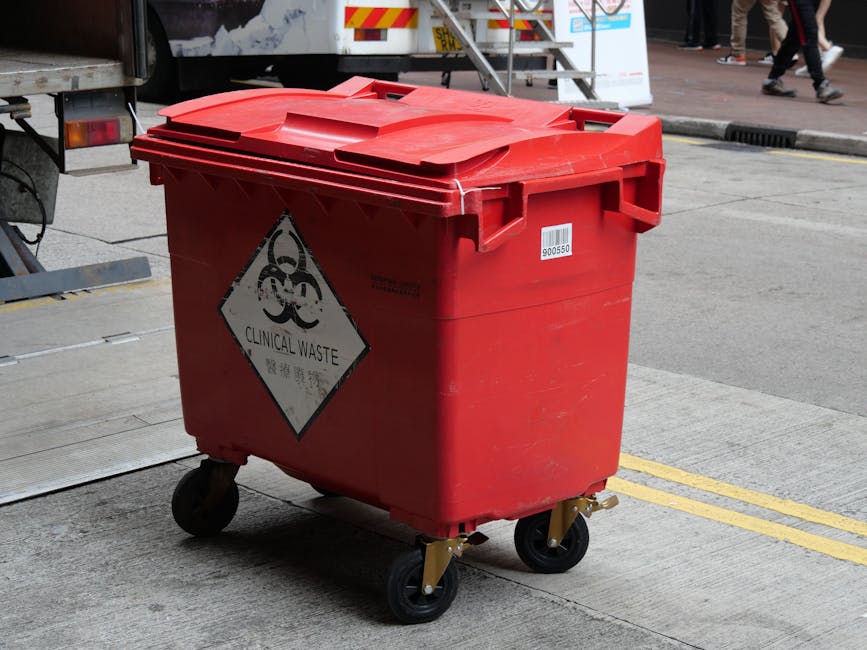
Hazardous waste is not just a paperwork issue. In a moving context, it is a practical safety issue first. Items such as solvents, bleach, aerosols, fluorescent tubes, some batteries, old paints, oils, and certain cleaning chemicals can leak, react, break, or contaminate other belongings if they are packed carelessly. A leaking bottle can ruin clothes, furniture, cardboard boxes, and the inside of the vehicle in a matter of minutes.
For Brentford removals, the location itself adds another layer of common sense. Local streets can be tight, loading space can be limited, and the moving day window may be small. If hazardous items are found late, everything slows down. The crew has to stop, separate, assess, and decide what can travel safely. Nobody wants a lorry or van sat outside while someone realises a box of household chemicals has been tucked in with the crockery. It happens more often than people think.
There is also a trust angle. People want reassurance that their belongings, the team handling them, and the wider environment are all being protected. That is why a well-run move should line up with broader safety practices and, where relevant, the company's own health and safety policy and recycling and sustainability approach. Those pages are useful because they show how a provider thinks about risk, waste, and responsible handling, not just transport.
Expert summary: if an item could leak, burn, corrode, explode, or cause fumes, treat it as hazardous until it has been checked. That simple habit prevents most moving-day problems.
How Hazardous Waste Rules for Brentford Removals Work
The basic idea is straightforward: hazardous items should be identified early, kept separate, and moved or disposed of in a way that matches safety expectations and legal duties. In practice, this means three decisions.
First, identify what is hazardous. Not every awkward item is hazardous waste, and not every chemical needs panic. But you should assume extra care for anything flammable, toxic, corrosive, pressurised, or electrically risky if damaged. Common examples include leftover paint, nail varnish remover, white spirit, drain cleaner, pesticides, some adhesives, and household batteries.
Second, decide whether it can be moved safely at all. Some items can travel if sealed, upright, and clearly separated; others should be left out of the removal load and handled through the correct disposal route. This is especially important where packaging is cracked, labels are missing, or the container has been opened and used recently.
Third, plan the handover. A good mover will want to know about risky items before the van arrives. That gives them time to advise, adjust the load plan, and avoid putting anyone in a difficult position at the kerbside. If you are booking broader moving support such as removal services or looking at a removal company, this upfront conversation is one of the easiest ways to reduce stress.
It is also worth remembering that local moves and commercial moves do not behave the same. A household may only have a small quantity of chemicals in a cupboard. An office or workshop may have toners, aerosols, cleaning fluids, printer cartridges, lab-style consumables, or maintenance materials. For that reason, commercial moves often need more detailed sorting than domestic removals.
One more practical point: the safest plan is often a split plan. Keep the main removal moving through the normal route, and separate the hazardous items for specialist disposal or specific instruction. Clean, calm, simple. It sounds obvious when written down, but in a busy hallway with labels half off the boxes, people forget fast.
Key Benefits and Practical Advantages
Following hazardous waste rules properly is not just about compliance. It gives you a smoother move and fewer surprises. Here is where the value shows up in real life.
- Safer handling: fewer leaks, fewer fumes, and less chance of contamination in the van.
- Less damage: hazardous liquids can ruin boxes, soft furnishings, and electronics if packed badly.
- Faster moving day: pre-sorted items keep the loading process efficient.
- Lower risk of refusal: a mover is far less likely to halt the job if they know what is coming.
- Better environmental practice: keeping hazardous waste separate helps avoid incorrect disposal.
- More accurate planning: you can identify what needs specialist disposal before the deadline gets close.
There is also a psychological benefit. Once the dangerous bits are set aside, the move starts to feel manageable. That shift matters. People often spend days worrying about the big furniture, yet the real disruption comes from the tiny items that turn up unexpectedly at the worst moment. A couple of old batteries and a leaking cleaner can cause more noise than a sofa.
If you are comparing options, services such as man and van, man and van removals, and broader removals all benefit when the hazardous side is handled before load day. That is just the honest truth. A well-prepared client makes a moving crew far more effective.
Who This Is For and When It Makes Sense
This topic matters to more people than you might expect. If you are moving a family home, clearing a rental flat, relocating a small office, or arranging a furniture collection, you may already have hazardous items tucked away in ordinary places.
It especially makes sense for:
- homeowners clearing garages, sheds, kitchens, and under-sink cupboards
- tenants who need to leave the property tidy and reduce the risk of deposits being held back
- landlords and letting agents dealing with leftover items from a previous occupant
- office managers moving cleaning products, old electronics, printer consumables, or maintenance stock
- small businesses using general moving support but needing help identifying problem items
- anyone booking home moves or office removals where the load includes mixed contents
It also applies where people are downsizing. Downsizing often turns up the odd surprise: a tin of fuel for a garden tool, a forgotten aerosol can, or a bag of old paint sample pots. That kind of thing sits quietly for years and then, just like that, it is part of the move. Annoying? Yes. Rare? Not at all.
If you are uncertain whether something is hazardous, treat uncertainty as a signal to pause, not to guess. That one habit saves trouble.
Step-by-Step Guidance
Here is a practical way to deal with hazardous waste before a Brentford move. Keep it simple and do it early.
- Walk through each room with purpose. Check kitchens, bathrooms, utility areas, lofts, garages, sheds, and office storage.
- Separate anything risky. Put suspect items in one clearly marked area away from general boxes.
- Read labels and container condition. If the item is leaking, swollen, cracked, or unlabelled, treat it carefully and do not mix it with other goods.
- Group similar items together. Keep batteries with batteries, aerosols with aerosols, and liquids upright where possible.
- Avoid overpacking. Heavy chemical boxes become unstable and awkward to lift. Small boxes are safer.
- Tell your mover in advance. Whether you are using a man with a van or a larger team, they need to know what is in the load.
- Decide on disposal before moving day. Items that should not travel need their own route.
- Keep hazardous materials away from heat and sunlight. Especially if you are temporarily storing them by a window or in a vehicle.
- Check final instructions before loading. The last five minutes matter more than people think.
A helpful rule of thumb: if you would not comfortably carry the item on your lap in a moving vehicle, it probably needs extra planning. Maybe that sounds a bit blunt, but it is a useful test. Ask yourself, would this stay safe if the van stopped short? If the answer is no, rethink it.
For bigger or more complicated jobs, it is sensible to compare vehicle options too. A compact removal van may suit a small, clean load, while a larger moving van or even removal truck hire may be better where the load is larger and needs more careful separation. The vehicle choice is not just about size; it is about layout, access, and how safely the items can be arranged.
Expert Tips for Better Results
A few practical habits can make a big difference.
- Label the box immediately. Use large writing such as "hazardous items - do not stack" rather than a tiny note on the tape.
- Keep the original container where possible. Repacking into food tubs or random jars is asking for confusion. Truth be told, that is how silly mistakes happen.
- Take photos of problematic items. If something is unusual, a quick photo helps with advice and planning.
- Do not mix chemicals. Even apparently mild household products can react badly when combined.
- Plan your sort-out before boxing day. It is much easier to deal with hazardous items when the house is still liveable.
- Leave a margin for the unexpected. You will always find one extra thing in the back of a cupboard. Always.
If your move is part of a broader change, such as a family upgrade or a workspace restructure, it can be worth coordinating with services like furniture pick up or packing and unpacking services. Those services help clear the non-hazardous load so you can focus attention on the items that need special handling.
Also, keep your paperwork sensible. A simple written inventory of questionable items is enough in most cases. You do not need anything fancy. A notebook, phone notes, or a shared moving checklist works just fine.
Common Mistakes to Avoid
The same mistakes come up time and again. The good news is they are easy to prevent once you know what to look for.
- Putting hazardous waste in normal boxes: this is the biggest one. It creates risk for everything else in the load.
- Leaving the sort until moving morning: then it becomes a panic decision, and panic rarely helps.
- Assuming all removals can carry anything: not every move provider will accept hazardous items, and that is reasonable.
- Ignoring damaged containers: a cracked bottle may be harmless for now, but not for long.
- Using poor labelling: "stuff" is not a label. Neither is "misc." when the contents are chemicals.
- Mixing batteries with loose metal: that can be risky if contacts bridge or items shift during transport.
- Forgetting about garages and sheds: a lot of hazardous waste hides there, out of sight and out of mind.
Another easy mistake is not checking the moving provider's own terms and safety expectations before booking. Reading the terms and conditions and the insurance and safety information gives you a much clearer sense of what is expected, what is covered, and what the company may refuse to carry.
And yes, a little preparation is boring. That is the point. Boring is good when the alternative is a chemical spill on the carpet.
Tools, Resources and Recommendations
You do not need specialist equipment for every move, but a few basics help a lot.
- Strong marker pens for labelling boxes and containers.
- Small, sturdy cartons for separated items rather than one oversized box.
- Disposable gloves for handling dirty or unknown containers.
- Tape and sealable bags for minor containment, where appropriate.
- A simple inventory list so you can remember what was set aside.
- Photos on your phone for items that need a second opinion.
For planning support, local move pages such as man with van removal, movers, and removal companies can help you think through the practical side of the job. They are especially useful when you want to compare vehicle fit, access, and the scale of help needed.
One recommendation that sounds almost too basic: keep a "do not move" zone in the property. A corner in the kitchen or hall, clearly marked, helps everyone see what has already been separated. It cuts down on accidental packing. That little corner can save you a headache later in the afternoon, when everyone is tired and the kettle is probably missing.
Law, Compliance, Standards, or Best Practice
Without getting lost in legal jargon, the core compliance idea is this: hazardous waste should be identified, stored, moved, and disposed of responsibly. In the UK, householders, landlords, tenants, and businesses all have different duties depending on the item and the setting, but the same common sense applies. Do not conceal risky waste in general household loads. Do not expose workers to avoidable danger. Do not assume that all transport options are equal.
For commercial settings, the expectations are usually stricter because there are more items, more people, and a higher chance that the waste is mixed with equipment, maintenance products, or data-holding devices. Offices and small firms moving with office relocation services should be particularly careful with printer consumables, cleaning chemicals, and old stock.
Best practice usually includes:
- clear separation of hazardous and non-hazardous items
- visible labelling
- safe containment and upright storage for liquids
- advance disclosure to the mover
- checking whether specialist disposal is needed
- keeping people informed so nobody guesses under pressure
If you are dealing with a property handover, this is also where your own standards matter. Whether you are a tenant, landlord, facilities manager, or homeowner, showing that you handled waste responsibly helps keep the process clean and defensible. No drama. No surprises. Just a sensible trail of decisions.
Options, Methods, or Comparison Table
Different approaches suit different situations. The table below gives a practical comparison.
| Method | Best for | Pros | Watch-outs |
|---|---|---|---|
| Move hazardous items separately by instruction | Small, clearly identified items | Keeps the main load safer and simpler | Still needs careful packing and prior agreement |
| Leave hazardous waste out of the removal entirely | Items that should not travel | Lowest transport risk | Requires a disposal plan before moving day |
| Use a larger move with dedicated sorting | Homes or offices with mixed contents | More space and better load separation | Needs extra planning and clearer communication |
| Use general removal support only for clean goods | Most standard house moves | Simple, efficient, and cost-effective | Hazardous items must be removed beforehand |
If you are moving a full house and want a straightforward service, options like house movers, house removalists, and house removals are typically easiest when the hazardous items have already been separated. That way the movers can focus on the actual moving job instead of sorting through a pile of uncertainty at the door.
Case Study or Real-World Example
Imagine a small Brentford flat move on a wet Thursday morning. The living room is tidy, the wardrobe boxes are labelled, and the furniture is ready. Then, just before loading begins, someone remembers the under-sink cupboard. Inside are a half-used cleaner, a can of polish, a bottle of drain liquid, and three old batteries rattling in a drawer.
That sounds minor, but it changes the whole flow of the move. Instead of tossing everything into one box, the items are separated. The cleaner and polish are checked, the batteries are kept apart, and the cracked bottle is not moved with the soft furnishings. The main load stays dry and clean. The movers get on with the job. The client avoids a spill. Nobody has to smell chemicals in the van. Everyone wins, oddly enough.
Now compare that to a rushed version. The cupboard is emptied at the last second, items are thrown into a random bag, and the bag sits under a blanket in the back of the van. A little heat, a little movement, maybe a bit of compression from other boxes, and suddenly a leak appears. Now you are dealing with contamination, delays, and that awful feeling of wishing you had spent ten minutes sorting things properly.
That is the real-world difference. Hazardous waste rules are not abstract. They show up on ordinary mornings in ordinary rooms, usually when somebody is already running late.
Practical Checklist
Use this checklist before moving day. Keep it nearby. Tick it off slowly.
- Walk through kitchens, bathrooms, sheds, garages, and storage cupboards.
- Separate paints, solvents, aerosols, batteries, cleaners, oils, and similar items.
- Check containers for leaks, cracks, swelling, or missing labels.
- Keep chemicals upright and away from food, clothing, and bedding.
- Do not mix unknown liquids or pour them into new containers.
- Tell your mover what hazardous items exist before the van arrives.
- Confirm what can travel and what must stay out of the load.
- Arrange separate disposal for anything that should not be moved.
- Label the hazard area or boxes clearly.
- Keep children and pets away from the items until they are dealt with.
If you are booking a wider move and want to keep the process tidy from start to finish, consider how the rest of the job will be managed too. A sensible combination of man with a van, moving van, and a clear hazardous-item plan is often enough for most local jobs. Simple works. Simple usually wins.
Get a free quote today and see how much you can save.
Conclusion
Hazardous Waste Rules for Brentford Removals are really about one thing: keeping people, property, and the move itself safe. Once you know what counts as hazardous, how to separate it, and when to keep it out of the van, everything becomes easier. You avoid unnecessary delays, protect your belongings, and make life simpler for the team helping you move.
The best approach is rarely dramatic. It is usually just careful. A few labels, a short conversation, a separate box, a sensible disposal plan. That is enough in many cases. And if your move includes more complex contents, it is worth reading the company's own about us information so you know who you are dealing with and how they approach the job.
Moves can feel busy and slightly chaotic, especially when boxes are piling up and the kettle has vanished into a cupboard somewhere. But with hazardous waste sorted early, the rest of the day tends to breathe a bit easier. That calm matters more than people expect.
Frequently Asked Questions
What counts as hazardous waste during a house move?
Typical examples include paint, solvents, aerosols, batteries, cleaning chemicals, oils, and anything that could leak, burn, corrode, or create fumes. If you are unsure, treat it cautiously and keep it separate from normal boxes.
Can movers take hazardous waste with the rest of my belongings?
Sometimes only specific items, and only if they are declared in advance and can be carried safely. Many hazardous items are better left out of the standard removal load altogether. Ask before moving day rather than guessing.
Why is hazardous waste a problem in removals?
Because even one leaking bottle can damage belongings, harm the vehicle, and create a safety risk for the moving team. It can also slow everything down if the issue is discovered late.
Should I keep old paint when I move?
If the paint is usable and safely sealed, it may be possible to keep it separate for transport. If it is leaking, dried out, or no longer needed, it is often better to arrange proper disposal instead of moving it for no reason.
What should I do with batteries before moving?
Keep them separate, ideally in a small container, and do not mix them with loose metal objects or other waste. If you have a large number, treat them as a separate sorting task rather than throwing them into a general box.
Do office removals need different hazardous waste planning?
Usually yes. Offices can include printer cartridges, cleaning products, batteries, old electronics, and maintenance materials. The volume may be small, but the variety often makes planning more important.
How early should I sort hazardous items before a move?
As early as possible. A few days before moving day is far better than the morning of the move. Early sorting gives you time to label items, ask questions, and arrange disposal if needed.
What if I find an unknown chemical in a cupboard?
Do not mix it with anything else. Leave it sealed if safe, keep it away from children and pets, and seek advice before deciding whether it can travel. When in doubt, less handling is usually better than more.
Is hazardous waste only an issue for big moves?
No. Small flat moves, office clear-outs, and furniture collections can all uncover hazardous items. In fact, smaller moves sometimes hide the issue because people assume there is nothing risky among a few boxes.
Can a removal van carry aerosols and cleaning products?
Sometimes, but only if the items are declared, safely packed, and accepted by the provider. Pressurised cans and chemicals need extra caution, especially in warm weather or cramped loads.
What is the safest way to pack hazardous items for transport?
Use the original container where possible, keep items upright, pack them in small clearly labelled boxes, and never mix incompatible products. It is also wise to keep them separate from soft furnishings and anything porous.
Who should I speak to first if I am unsure about a risky item?
Start with the moving provider and explain what the item is, what condition it is in, and how much of it you have. If they advise that it should not travel, arrange a separate disposal route rather than forcing it into the move.